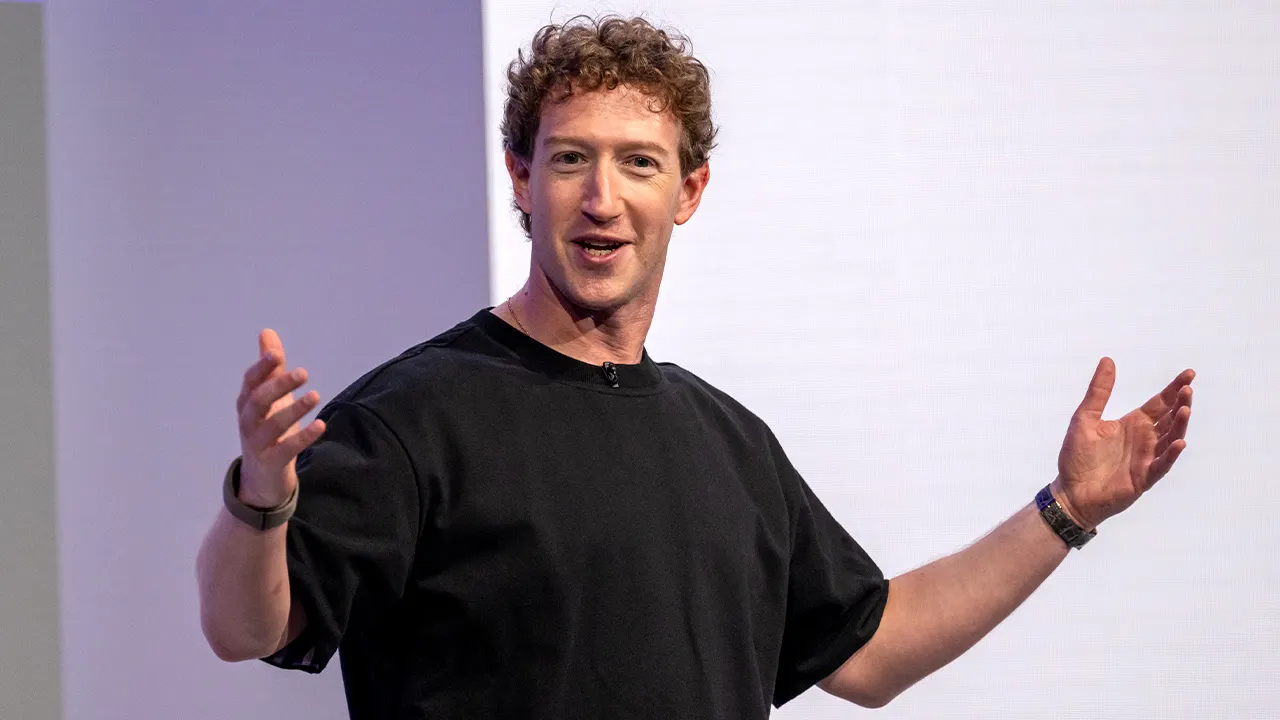
Meta CEO Mark Zuckerberg has introduced a bold vision for the future of artificial intelligence, advocating for a world where “personal superintelligence” is accessible to every individual. In a comprehensive 14-page manifesto titled “The Future is for Everyone: The Path to a Positive AI Future,” Zuckerberg argues that the true potential of advanced technology lies in empowering the individual rather than centralizing power within a few elite institutions. By focusing on open-source development and broad distribution, Meta aims to redefine the relationship between humans and advanced technology, positioning it as a tool for personal invention rather than just corporate automation.
What happened
In his recent communication, Zuckerberg outlined a strategic pivot for Meta, emphasizing the release of the “Muse” open-source AI model. He argues that superintelligence should be treated as a public good that benefits the many rather than a proprietary secret held by a few. The Meta founder’s philosophy rests on three pillars: individual empowerment as the driver of prosperity, the use of AI for creative invention, and a balance of power to ensure global safety.
Zuckerberg specifically warned against the concentration of AI capabilities within a small circle of corporations or government bodies. He expressed that if superintelligent tools are held exclusively by a few entities, the outcomes will naturally favor those in power at the expense of the general public. To counter this, he proposes a system of checks and balances where distributed AI allows people to compete economically and socially, effectively preventing any single “benevolent superintelligence” from becoming a singular, unchecked authority.
Context
This announcement comes at a critical juncture in the global AI race. While competitors like Google, Microsoft, and OpenAI have largely moved toward “closed” models to protect intellectual property and manage safety concerns, Meta has doubled down on an open-source strategy. This approach began with their Llama models and continues with the introduction of Muse.
Zuckerberg’s stance is a direct challenge to the current industry trajectory. He notes that while most AI labs are designing systems tailored for institutional or governmental use, Meta’s mission is centered on the individual user. This ideological split highlights a growing debate in Silicon Valley: whether AI should be a guarded corporate asset or a foundational infrastructure available to all. Furthermore, the discussion touches on geopolitical concerns, with industry experts warning that a lack of cohesive, widespread AI development could see Western nations falling behind in the global technological hierarchy.
Why it matters
The implications of Zuckerberg’s vision are both economic and social. By democratizing superintelligence, Meta believes it can trigger a new era of entrepreneurship. When advanced tools are available to everyone, the barrier to entry for starting a business or inventing new products drops significantly. This could lead to a surge in job creation and a more diverse economic landscape where small-scale creators have the same technological advantages as large conglomerates.
Safety is another major factor in this push for decentralization. Zuckerberg argues that a “balance of power” is the most effective safeguard against the risks associated with superintelligence. If everyone has access to the technology, it becomes much harder for a single bad actor—whether an individual or a state—to use AI for malicious purposes without being checked by others with similar capabilities. Ultimately, Meta is betting that the safest and most prosperous version of the future is one where the power of superintelligence is distributed as widely as possible, ensuring that the technology serves the interests of the many rather than the few.